How to Choose the Best Engineered Hardwood Flooring for Long-Term Value?
- europeanflooring23
- Apr 20
- 4 min read
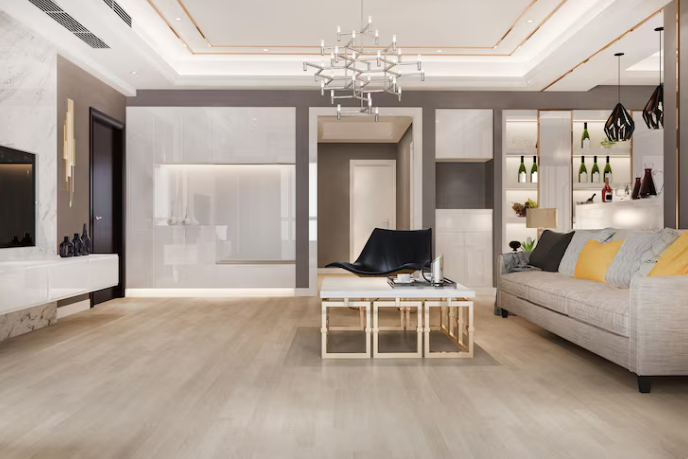
Engineered hardwood has become one of the most popular flooring choices for modern homes, especially in spaces where homeowners want the natural beauty of real wood combined with improved stability. Unlike traditional solid wood, engineered flooring is designed with multiple layers that enhance strength and reduce movement caused by humidity and temperature changes. However, not all products are created equal. Understanding how to identify the best engineered hardwood flooring is essential for making a long-term investment that balances style, durability, and value.
Choosing the right option involves more than selecting a color or finish. It requires attention to construction quality, wood species, surface protection, and installation performance.
Understanding What Makes Engineered Hardwood Different
Engineered hardwood is built using a layered structure. The top layer is real hardwood veneer, while the inner layers are typically made from plywood or high-density fiberboard. This structure provides enhanced stability compared to solid wood flooring.
When evaluating the best engineered hardwood flooring, it is important to understand how these layers work together. The top layer determines appearance and refinishing potential, while the core layers influence strength and resistance to warping.
High-quality engineered flooring maintains the authentic look of hardwood while offering better adaptability to changing environments, making it ideal for modern residential and commercial spaces.
The Importance of Wood Species Selection
One of the most important factors in choosing engineered flooring is the type of wood used for the top layer. Different species offer different levels of hardness, grain patterns, and visual appeal.
Oak is one of the most commonly used materials because of its durability and timeless appearance. White oak, in particular, is highly valued for its subtle grain and modern aesthetic. Walnut provides a richer, darker tone, while maple offers a cleaner and more uniform look.
Selecting the right species is a key step in finding the best engineered hardwood flooring for your home, as it directly affects both style and long-term performance.
Core Construction and Stability
The strength of engineered hardwood lies in its core construction. A well-built core prevents issues such as cupping, expansion, or contraction when exposed to moisture or temperature changes.
High-quality flooring typically uses multi-ply plywood or cross-layered construction, which increases dimensional stability. This is especially important in areas like kitchens, living rooms, and basements where environmental conditions may vary.
When comparing options, homeowners should prioritize products that are engineered for long-term stability, as this directly impacts the lifespan of the flooring.
Thickness of the Wear Layer
The wear layer is the top surface of engineered hardwood and determines how many times the floor can be sanded and refinished. A thicker wear layer increases the lifespan of the flooring and enhances its long-term value.
For example, premium engineered hardwood often includes a thicker veneer that allows for multiple refinishing cycles. This makes it a more sustainable and cost-effective investment over time.
When selecting the best engineered hardwood flooring, checking the wear layer thickness is essential for ensuring durability and future maintenance flexibility.
Surface Finishes and Protection
The finish applied to engineered hardwood plays a major role in both appearance and performance. Modern finishes are designed to protect the surface from scratches, stains, and daily wear while enhancing the natural beauty of the wood.
Matte and satin finishes are particularly popular in contemporary interiors because they provide a natural look and reduce visible imperfections. UV-cured finishes and aluminum oxide coatings offer additional protection for high-traffic areas.
These advanced finishing technologies are often found in the best engineered hardwood flooring, ensuring long-lasting performance with minimal maintenance.
Style, Color, and Design Flexibility
Engineered hardwood offers a wide range of design options, making it suitable for various interior styles. From light natural tones to deep espresso finishes, homeowners can choose flooring that complements their overall design vision.
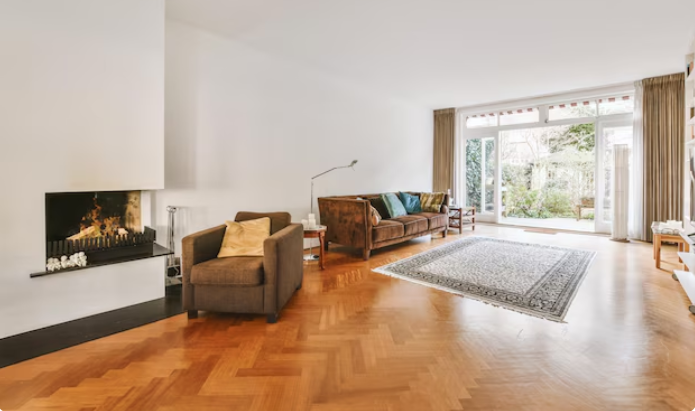
Wide plank flooring is especially popular in modern homes because it creates a sense of openness and luxury. Herringbone and chevron patterns are also trending in high-end interiors for their classic European-inspired appeal.
This design flexibility allows homeowners to achieve both modern and traditional aesthetics without compromising on durability.
Installation and Long-Term Performance
Proper installation is critical for ensuring the longevity of engineered hardwood flooring. Even high-quality materials can underperform if not installed correctly.
Professional installers use techniques such as floating, glue-down, or nail-down methods depending on the subfloor and product type. This ensures stability and prevents issues such as shifting or gaps over time.
Homeowners often rely on trusted suppliers such as European Flooring to access premium materials that are compatible with professional installation standards and designed for long-term performance.
Moisture Resistance and Environmental Suitability
One of the key advantages of engineered hardwood is its ability to perform well in environments with varying humidity levels. Unlike solid wood, engineered flooring is less prone to expansion and contraction.
This makes it suitable for a wide range of spaces, including apartments, coastal homes, and areas with climate fluctuations. When choosing the best engineered hardwood flooring, moisture resistance should be a key consideration, especially for kitchens, hallways, and lower-level rooms.
Value Over Time and Investment Potential
Flooring is not just a design choice; it is also a long-term investment in your property. High-quality engineered hardwood can significantly enhance home value by improving both aesthetics and functionality.
Buyers often prefer homes with durable, low-maintenance flooring that still offers the look of real wood. This makes engineered hardwood a strong selling point in competitive real estate markets.
Choosing the right product ensures that the flooring maintains its appearance and performance for many years, delivering both lifestyle and financial benefits.
Making the Right Choice
Selecting the right flooring requires careful evaluation of materials, construction quality, and design preferences. By focusing on durability, finish quality, and wood species, homeowners can confidently identify the most suitable option for their needs.
The best engineered hardwood flooring combines natural beauty with advanced engineering, offering a perfect balance of style and practicality. When chosen thoughtfully and installed professionally, it becomes a long-lasting foundation that enhances the comfort, elegance, and value of any home.



Comments