Engineered Wood Floors vs. Traditional Hardwood: What Today’s Designers Prefer
- europeanflooring23
- Nov 10, 2025
- 3 min read

When it comes to designing elegant, long-lasting interiors, flooring plays an integral role in setting the tone. Among the top contenders, engineered wood floors and traditional hardwood floors have remained favorites for homeowners and designers alike. Both offer timeless appeal, but modern lifestyles and architectural innovations have reshaped preferences — leading many designers to favor engineered wood for its balance of performance, beauty, and sustainability.
Understanding the Difference
Traditional hardwood floors are made from solid planks of timber — typically oak, maple, or walnut — and have been used for centuries to bring warmth and richness to interiors. They can be sanded and refinished multiple times, which contributes to their longevity.
Engineered wood floors, on the other hand, consist of a real hardwood veneer on top of several layers of high-quality plywood or HDF (high-density fiberboard). This layered construction enhances stability and reduces issues caused by moisture and temperature fluctuations. The result is a product that looks just as authentic as solid hardwood but performs better in a range of environments.
Why Designers Are Shifting Toward Engineered Wood Floors
One of the main reasons interior designers increasingly prefer engineered wood is its versatility. Unlike traditional hardwood, which can be sensitive to humidity and prone to expansion or contraction, engineered wood remains stable even in areas with fluctuating climates — including basements, kitchens, and coastal homes.
Designers value the wide range of finishes and styles available in engineered flooring. From light, Scandinavian-inspired white oak tones to rich, smoked hues, the design flexibility allows for both minimalist and traditional spaces. Many brands now offer ultra-wide planks and matte finishes that perfectly complement open-concept layouts and contemporary architecture.
Additionally, engineered floors are easier and faster to install, especially with click-lock or glue-down systems. This saves both time and labor costs while maintaining aesthetic excellence — a combination that appeals to both design professionals and homeowners.
Sustainability and Responsible Sourcing
In today’s environmentally conscious market, sustainability is no longer optional — it’s expected. Engineered wood flooring uses less raw hardwood because of its layered structure, making it a more sustainable alternative to traditional solid planks.
Leading manufacturers prioritize responsible sourcing by using certified wood and eco-friendly adhesives, minimizing waste without compromising durability. For designers working with clients who value eco-conscious choices, engineered floors strike the perfect balance between sustainability and sophistication.
Durability and Longevity
One of the biggest misconceptions is that engineered floors are less durable than solid wood. In reality, high-quality engineered wood can last for decades when properly maintained. Many premium collections offer thick wear layers — sometimes up to 6 mm — that can be sanded and refinished multiple times, similar to solid hardwood.
Moreover, engineered floors are less prone to warping or cupping, especially in humid environments. This resilience is why designers often recommend engineered flooring for coastal or tropical regions, where traditional wood floors may face long-term stability challenges.
Aesthetic Versatility and Design Freedom
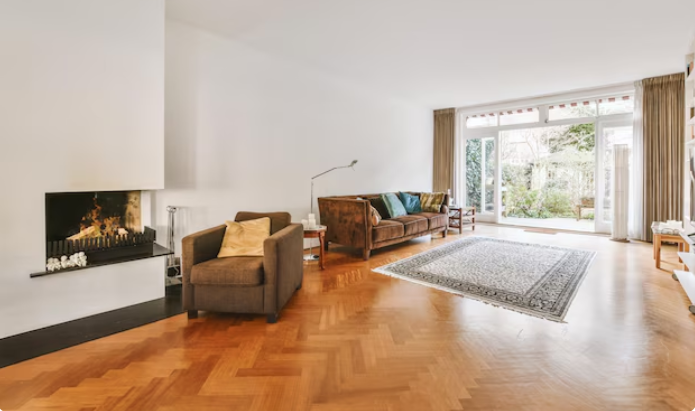
Engineered wood floors open new creative possibilities. Designers are free to explore patterns such as chevron, herringbone, or mixed-width planks, giving interiors a unique character. The wide color palette — from soft ash tones to deep espresso shades — allows engineered wood to blend seamlessly with any design theme, from rustic farmhouse to ultra-modern.
Because the top layer is genuine wood, the natural grain and texture remain beautifully authentic. This means homeowners get the same luxurious feel underfoot that they would expect from traditional hardwood.
The Designer’s Perspective
Interior designers are drawn to engineered flooring for more than just performance — it’s about creative freedom and reliability. The ability to achieve a seamless visual flow between rooms, even in challenging areas like kitchens or entryways, makes engineered wood an ideal choice for holistic interior design.
Designers also appreciate how engineered floors work harmoniously with radiant heating systems — a feature often incompatible with solid hardwood. The stability of the engineered core allows it to handle the gentle, consistent heat without expanding or contracting excessively.
The European Flooring Difference
One brand that has mastered the balance of artistry, durability, and sustainability is European Flooring. Their engineered wood collections showcase exceptional craftsmanship, offering a variety of finishes, colors, and textures that appeal to discerning designers and homeowners alike. Every plank embodies a commitment to precision, longevity, and timeless elegance — qualities that define the next generation of hardwood design.
Final Takeaway: The Future of Hardwood Design
While traditional hardwood will always hold a place of heritage and nostalgia, engineered wood floors represent the evolution of design and practicality. Their stability, environmental benefits, and design versatility make them the preferred choice for today’s interiors. For modern designers seeking lasting beauty that adapts effortlessly to any environment, engineered wood is more than just a flooring material — it’s the foundation of contemporary living.



Comments